

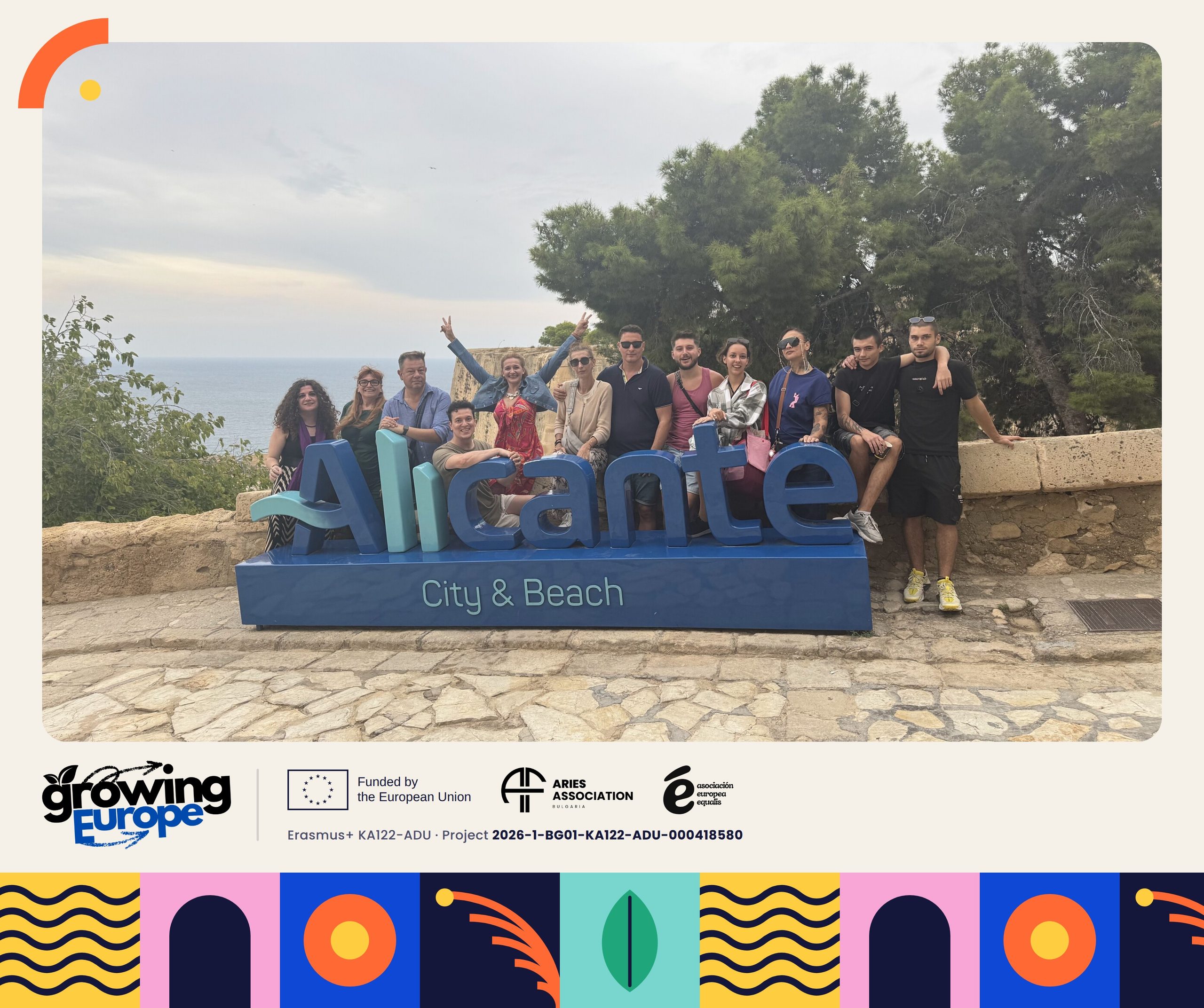
When a learning mobility ends, the suitcases go home, but the real question stays: did anything change? Two weeks after we said goodbye to our group of adult learners, we have the first answers. They come from the participants themselves.
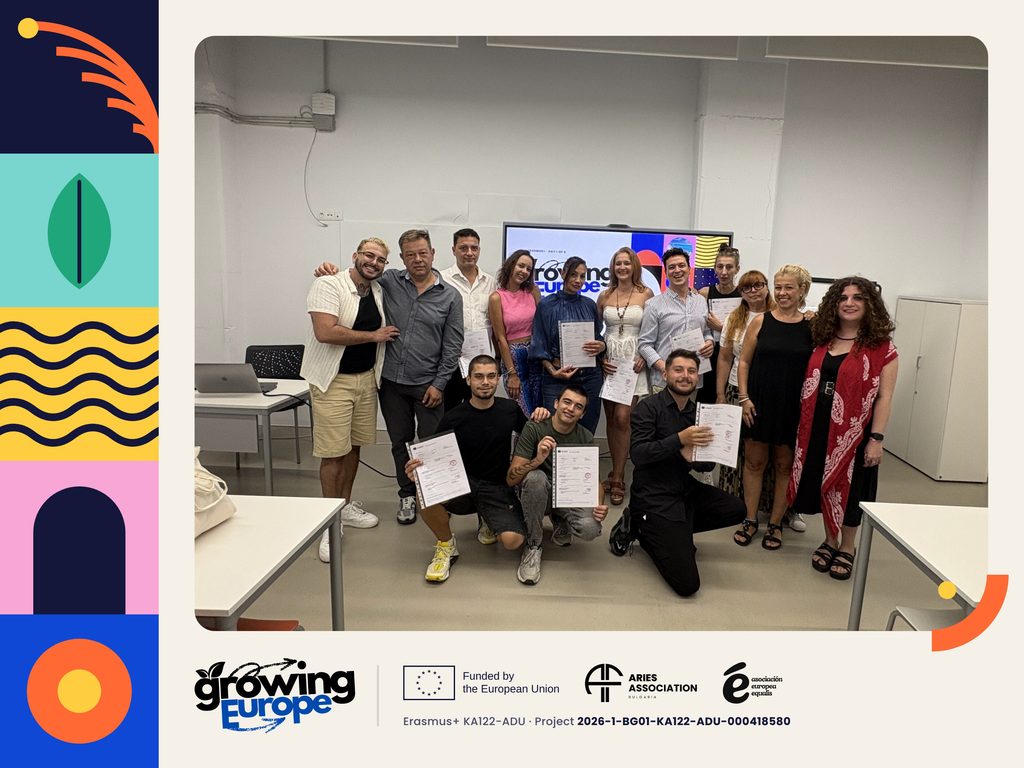
A week of learning by doing
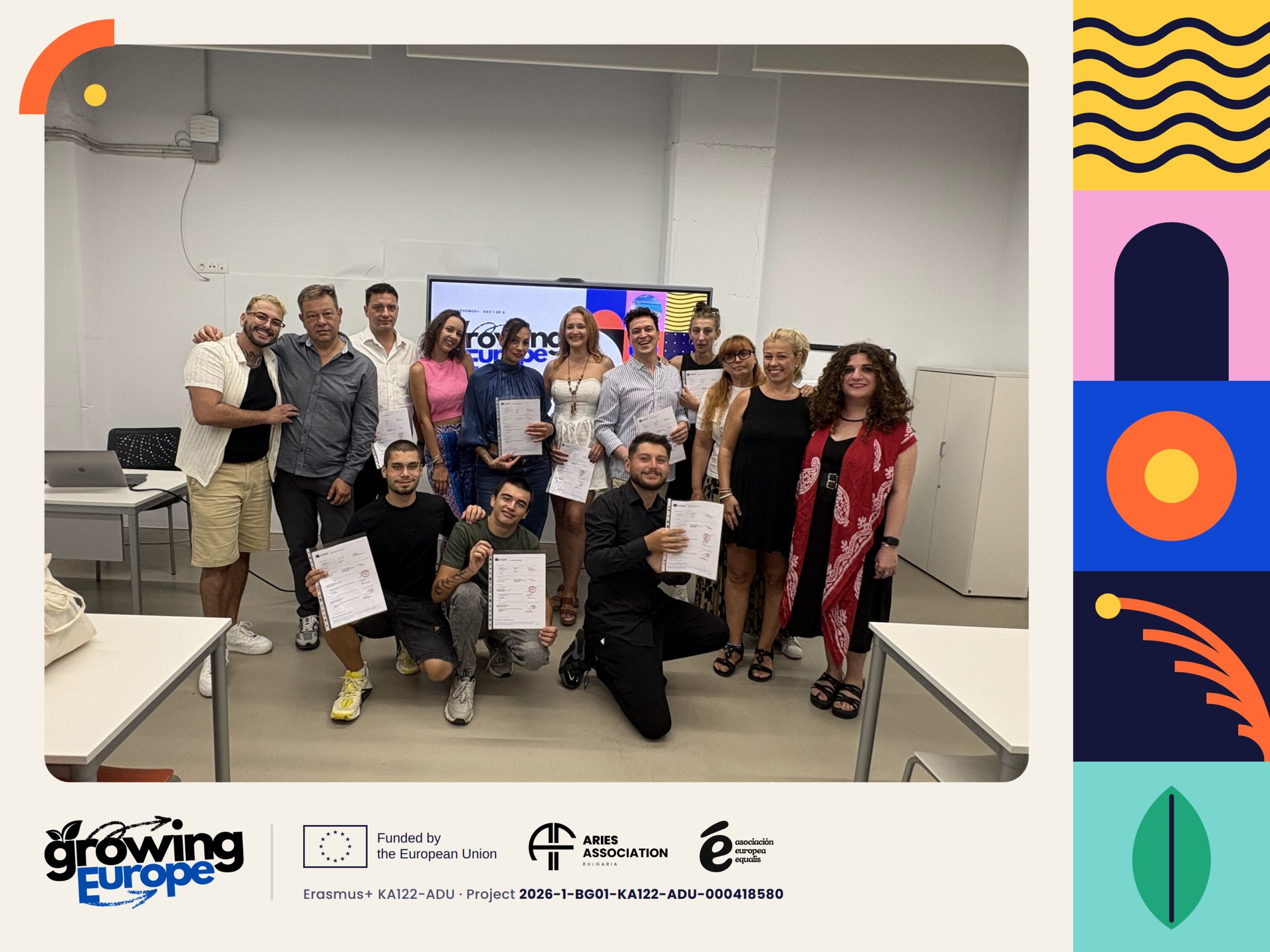
In October, Asociación Europea Equalis hosted ten adult learners for the Erasmus+ project Growing Europe (KA122-ADU), coordinated by Association Aries from Bulgaria. The programme set out to strengthen three things: civic participation, digital confidence and a sense of belonging to Europe.
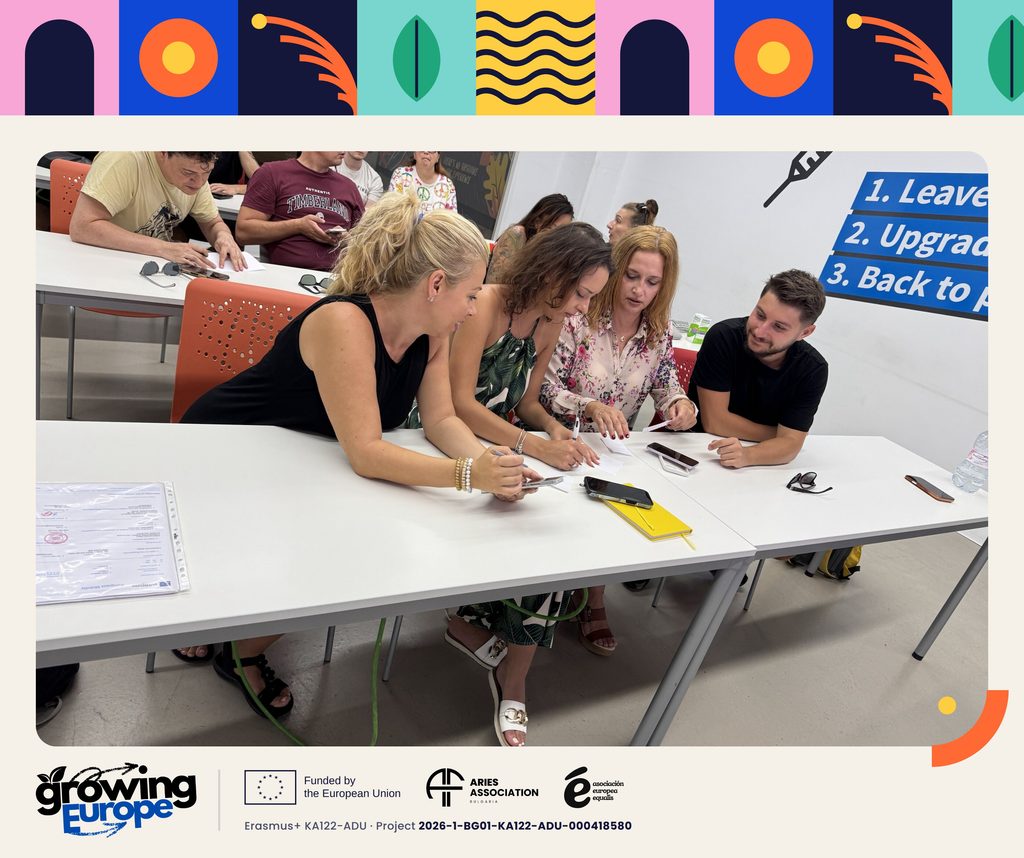
Most of the learning happened away from the desks. In small teams, participants explored the city with cameras and notebooks, documenting what makes Alicante proud, what is stuck, and where people come together. In the classroom they practised spotting fake news, mapped who is responsible for what, from the local council to the European institutions, and turned their observations into concrete ideas for their own towns.
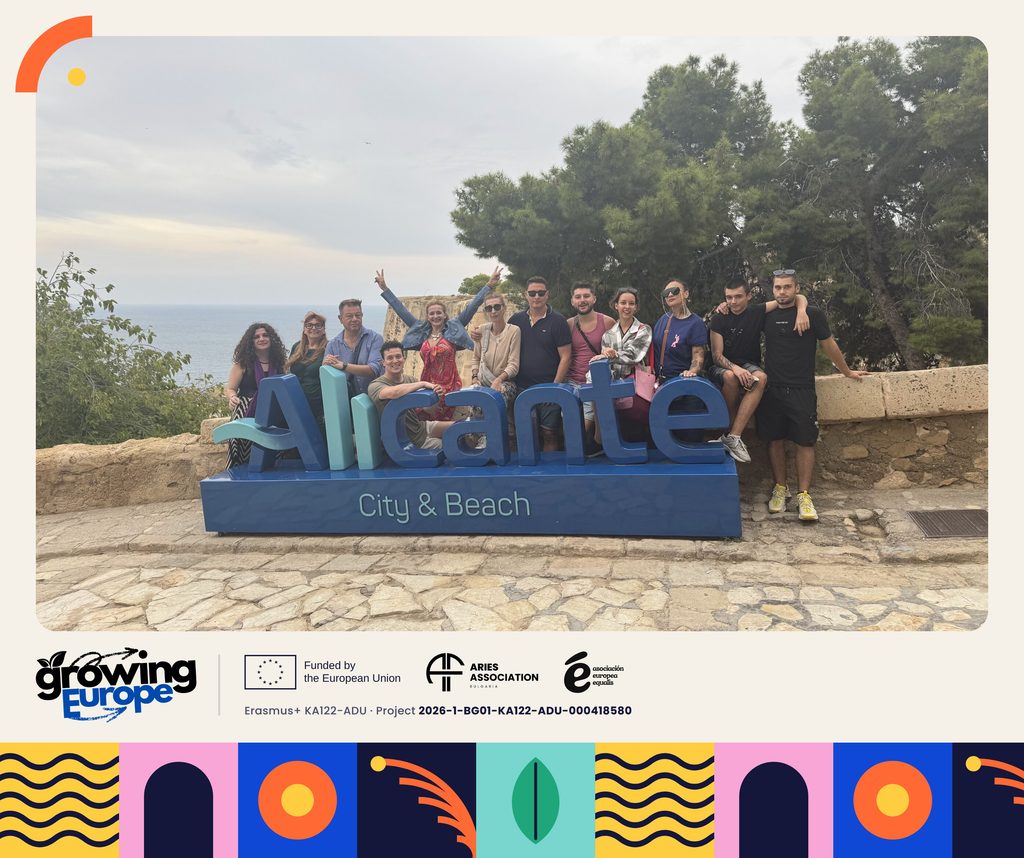
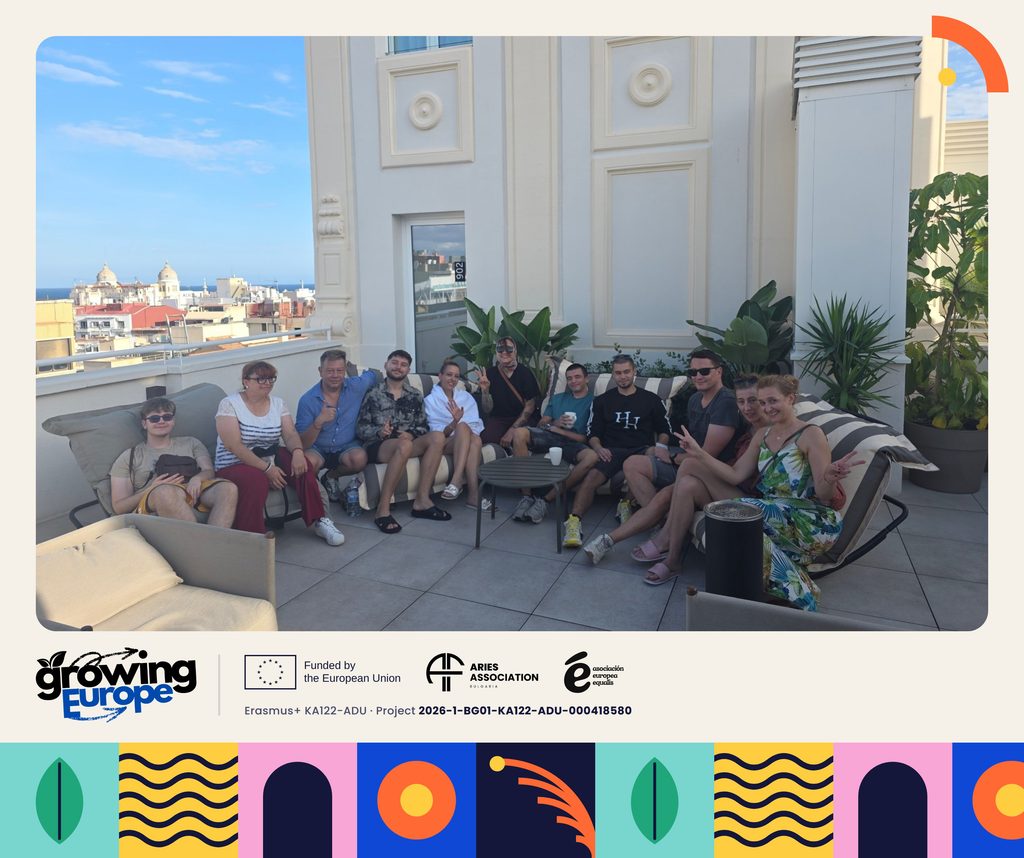
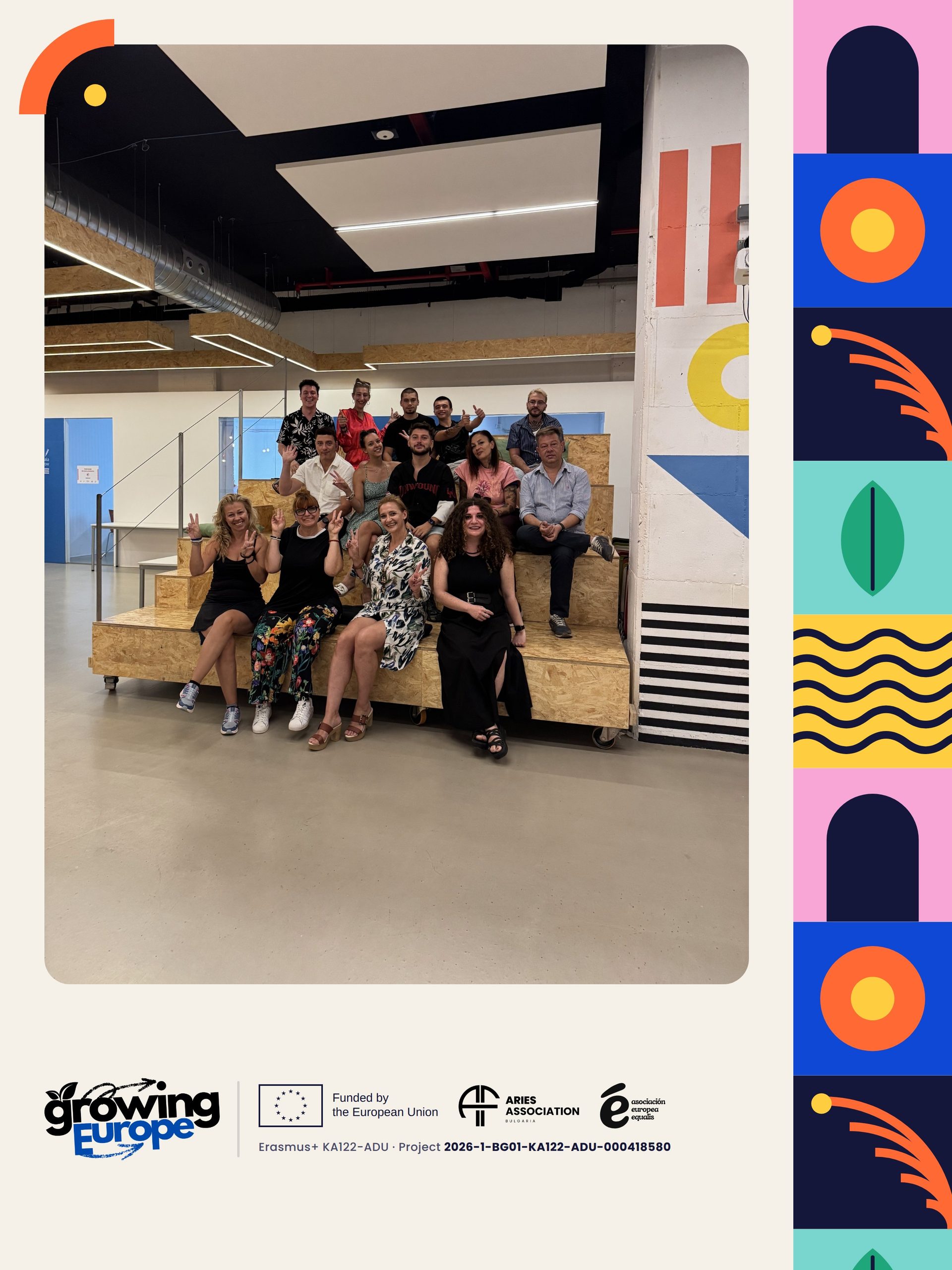
The informal moments mattered just as much: a bike ride along the seafront, hot chocolate and churros, a walk through the old town and an evening under the lit-up Santa Bárbara castle. That’s where a group of people who barely knew each other became a team.
Measuring the change
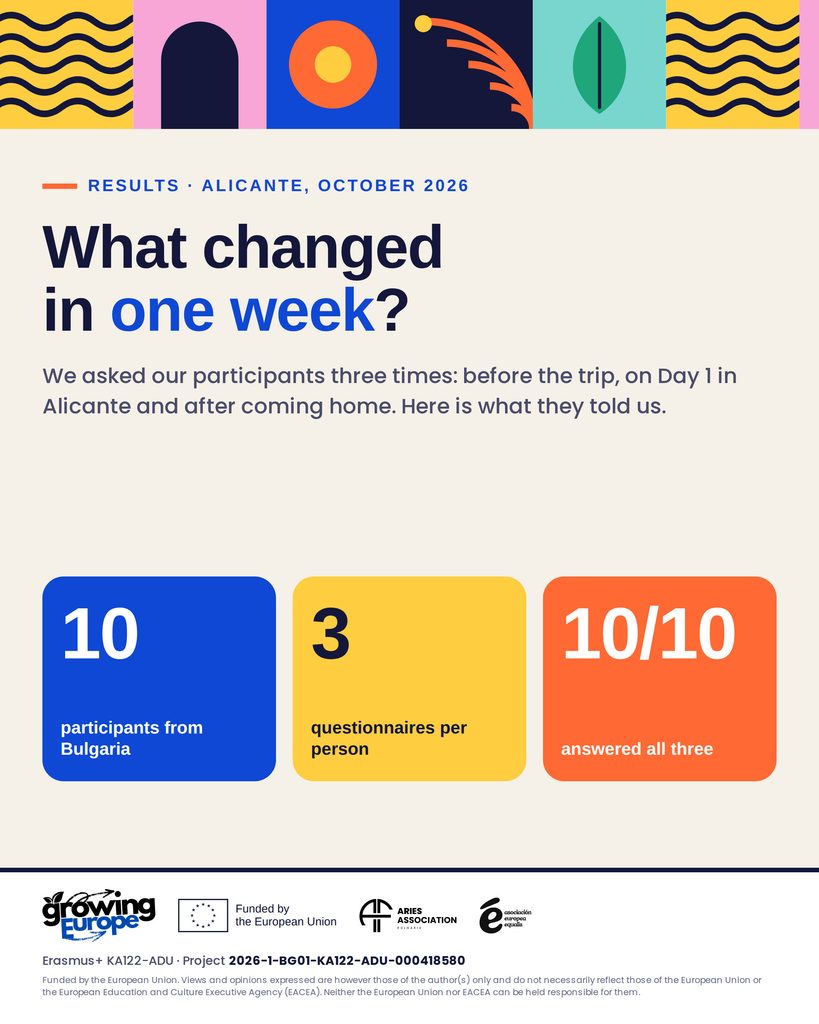
To see what the week really achieved, every participant filled in three short questionnaires: before the trip, on the first day in Alicante, and after returning home. All ten answered all three.
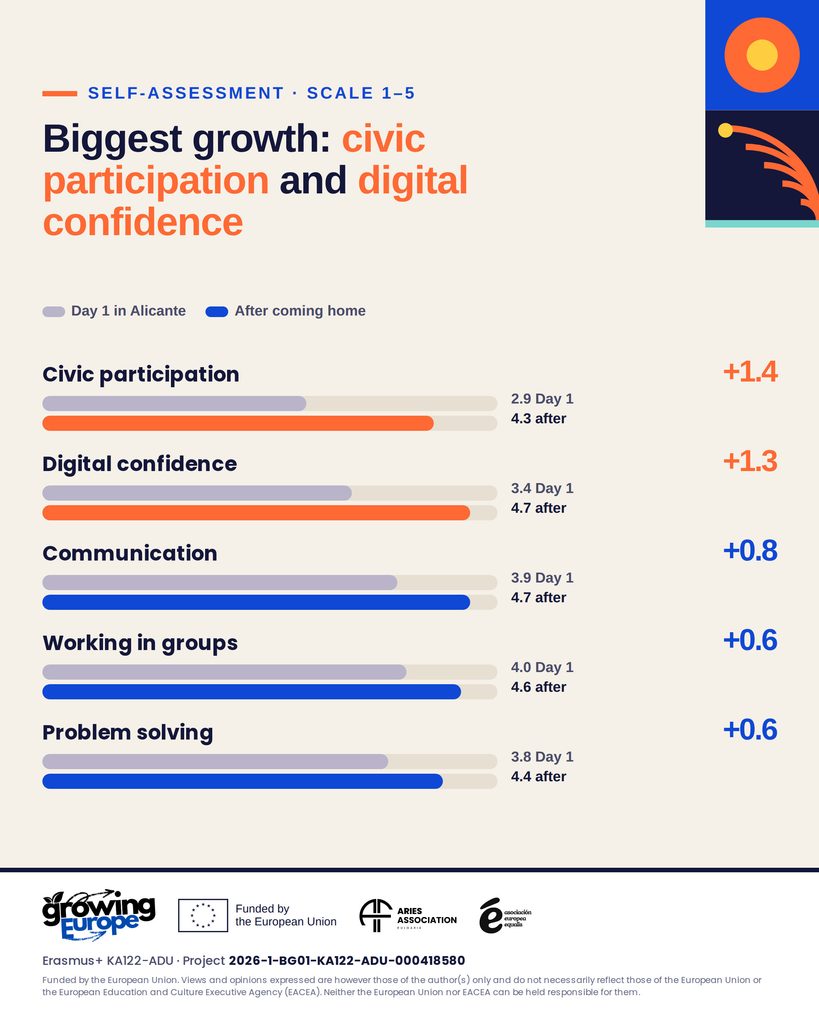
The clearest growth came in exactly the areas the project was designed for. On a scale of 1 to 5, confidence in civic participation rose from 2.9 to 4.3, and digital confidence from 3.4 to 4.7. Communication, teamwork and problem solving improved too.
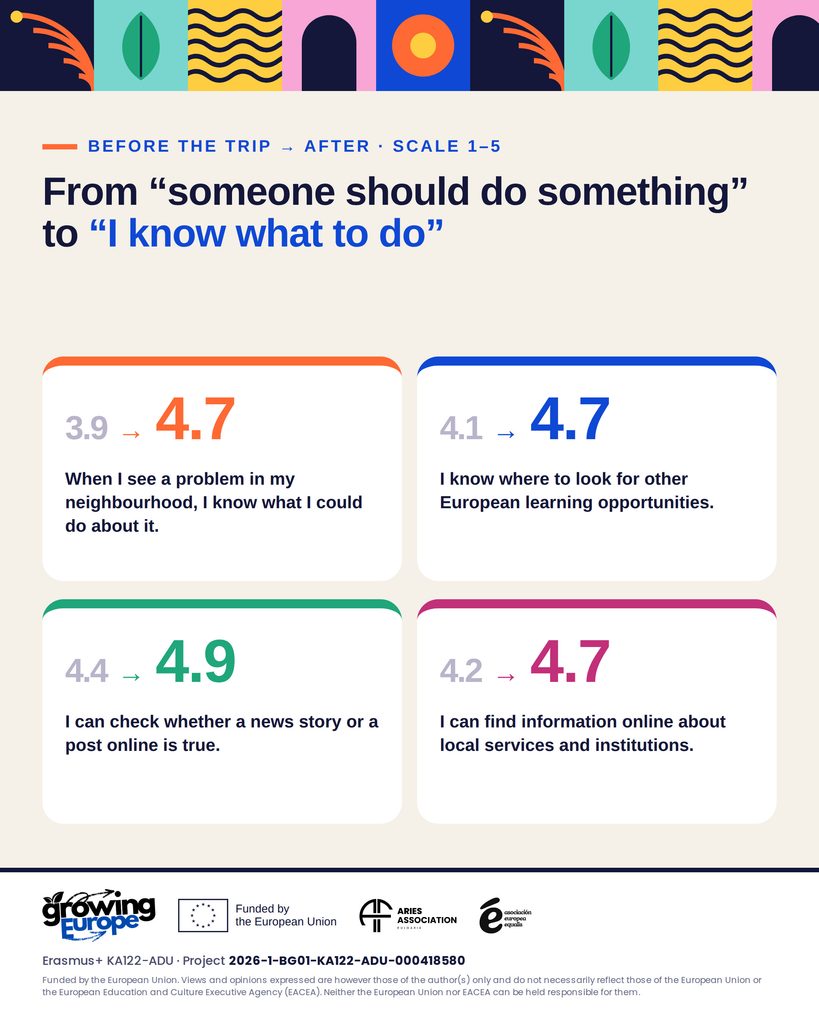
Perhaps the most meaningful shift is in how participants see their own role. Agreement with “When I see a problem in my neighbourhood, I know what I could do about it” rose from 3.9 to 4.7. They also feel more able to check whether a news story is true and to find the right local institution.
As one participant put it: “Active citizenship starts in our daily lives. Even small, thoughtful actions in our own communities can drive meaningful, positive change.”
From pledges to action
On the last day, every participant wrote a personal pledge by hand: one concrete problem in their community, and a plan to tackle it. The pledges range from cleaner parks and accessible pavements to better recycling, regular outdoor meetups and a campaign against aggressive gambling advertising.
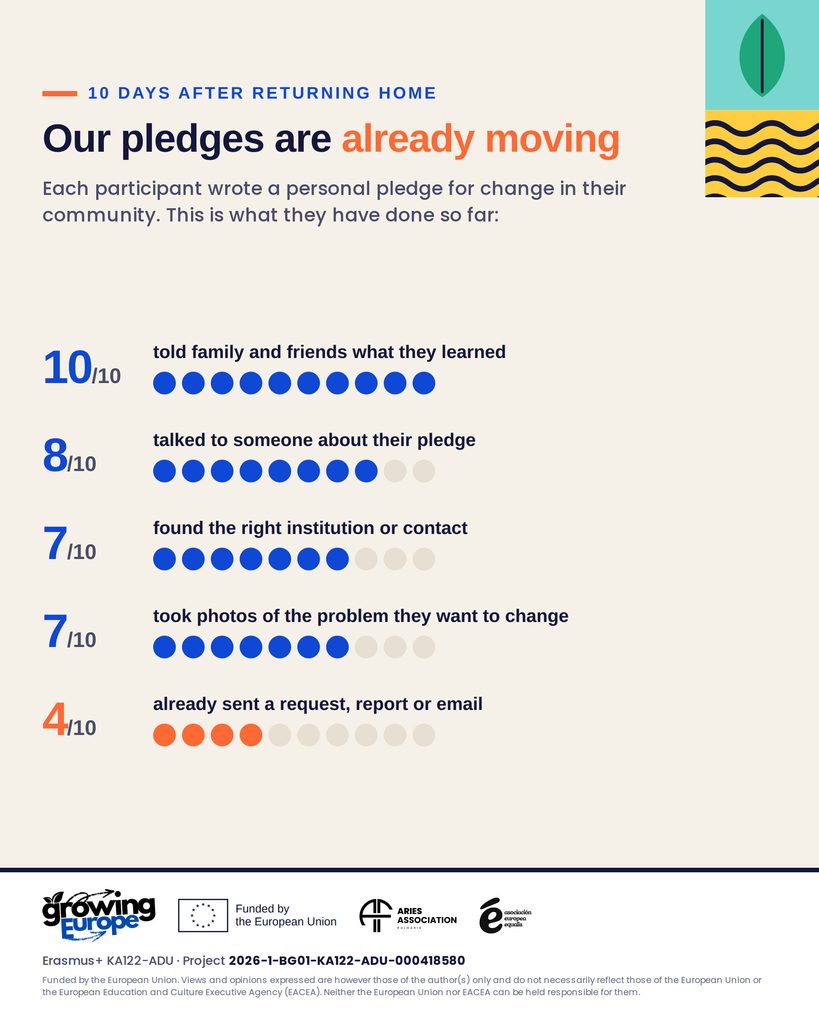
Only ten days after coming home, the pledges are already moving:
- 7 of 10 participants have found the right institution or contact;
- 7 have photographed the problem they want to change;
- 4 have already sent a formal request, report or email.
One pledge has even received the backing of a local political group, which has started a petition.
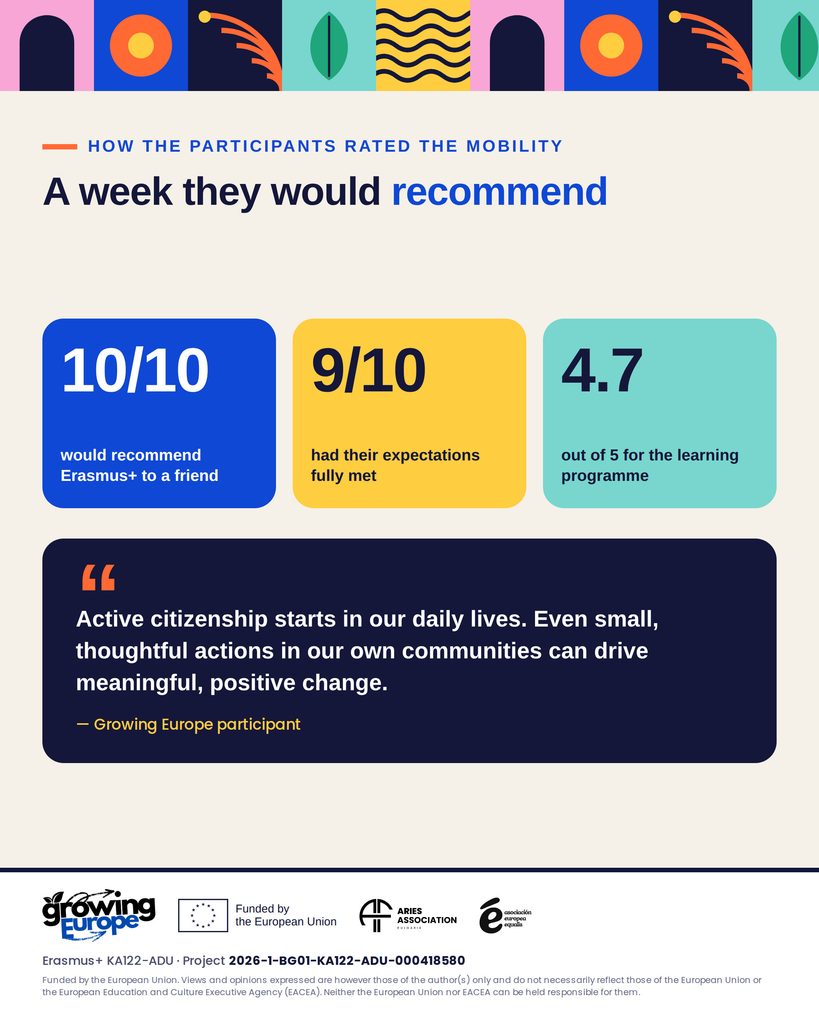
A week worth recommending
The participants’ verdict on the week itself was clear:
- all ten would recommend an Erasmus+ mobility to a friend;
- nine said their expectations were fully met;
- the learning programme scored 4.7 out of 5.
Their suggestions for next time are just as useful to us: even more time with local people and organisations, and one task that brings the whole group together.
This is only the starting point
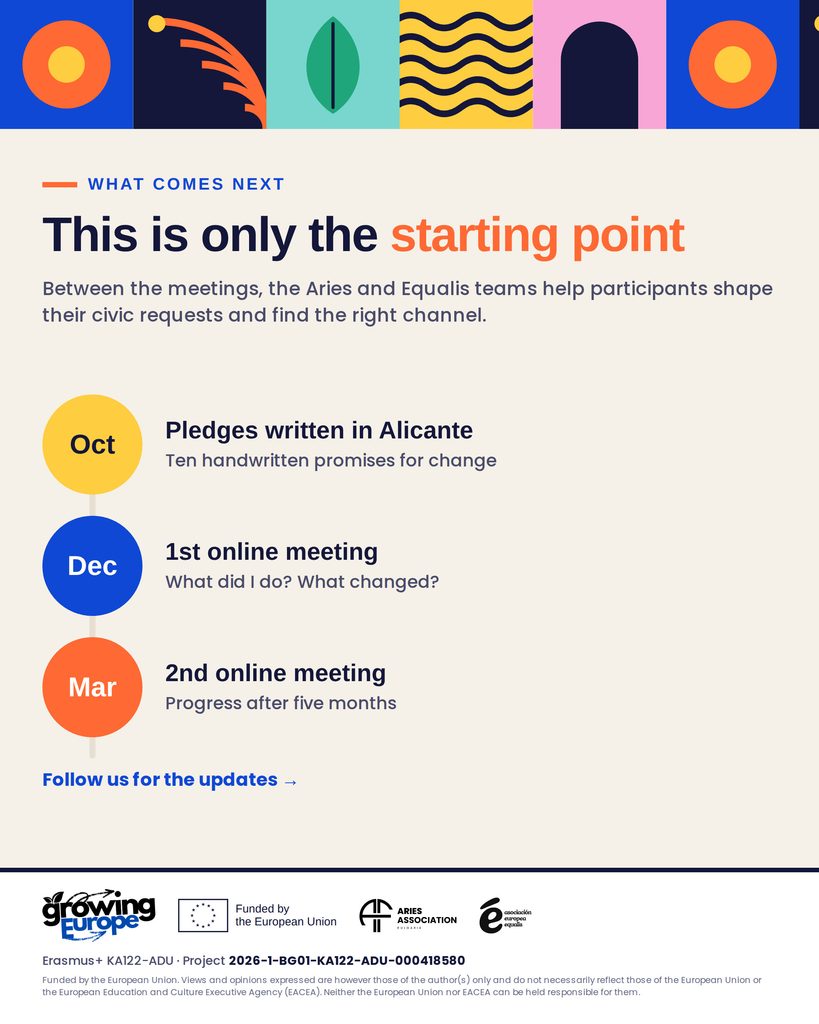
The mobility was one week; the project is much longer. In December, the group will meet online to share what they have done and what has changed. In March, a second meeting will look at the progress over the longer term.
Between the meetings, the Equalis and Aries teams stay at the participants’ side. We help them shape their civic requests, plan their next steps and find the right channel for each issue. We’ll share the results here.
Thank you to our partners at Association Aries for their trust and cooperation. Above all, thank you to the ten participants who came to Alicante with open minds and went home with a plan.
Growing Europe, project no. 2026-1-BG01-KA122-ADU-000418580, is funded by the European Union. Views and opinions expressed are however those of the author(s) only and do not necessarily reflect those of the European Union or the European Education and Culture Executive Agency (EACEA). Neither the European Union nor EACEA can be held responsible for them.
Leave a Reply